
Rural women sustain rural life: they provide family and community care, participate in diverse economic activities such as subsistence farming, animal husbandry, small-scale trade, and other forms of work beyond agricultural production, while also carrying out artisanal work and preserving cultural traditions.
In the rural areas of Cundinamarca, within the Andean Region, many mothers with children under the age of 18 face barriers to accessing education, healthcare, and formal employment. A large percentage of the population in these territories live in conditions of poverty. According to National Statistics Department (DANE) data from 2023, 61.25% of the population is rural, and 44.8% are women who contribute to production, caregiving, and cultural preservation. Meanwhile, rural youth migrate in search of better employment opportunities (42.3%), due to social risk factors (21.5%), and to pursue access to education (18.3%), thereby weakening community networks (DANE, 2018).
In response to this reality, we aim to recognize, strengthen, and dignify the role of rural women through co-created learning and training pathways connected to research, technological development, and innovation (R&D&I), designed to be replicated in other regions of Colombia. Initially, the project is expected to benefit approximately 900 mothers and their children.
La mujer campesina sostiene la vida rural: produce, cuida y transmite saberes. En las Zonas de Reserva Campesina (ZRC) de Cabrera, Pasca, San Bernardo y Venecia, en Cundinamarca, muchas madres con hijos menores de 18 años enfrentan barreras para acceder a formación, salud y empleo formal. Se sabe que en estos territorios la población vive en pobreza. Según datos del DANE en 2023, el 61,25 % es rural y el 44,8 % son mujeres que aportan a la producción, el cuidado y la cultura. Mientras tanto, los jóvenes migran por empleo (42,3 %), riesgo social (21,5 %) y educación (18,3 %), debilitando el tejido comunitario (DANE, 2018).
Con esta realidad, nuestra visión es reconocer, fortalecer y dignificar el papel de la mujer campesina mediante rutas de formación-aprendizaje co-creadas, conectadas con la investigación, el desarrollo tecnológico y la innovación (I+D+i), diseñadas para ser replicables en otros territorios del país. En principio, se proyecta una población beneficiada de 900 madres y sus hijos.
La mujer campesina sostiene la vida rural: produce, cuida y transmite saberes. En las Zonas de Reserva Campesina (ZRC) de Cabrera, Pasca, San Bernardo y Venecia, en Cundinamarca, muchas madres con hijos menores de 18 años enfrentan barreras para acceder a formación, salud y empleo formal. Se sabe que en estos territorios la población vive en pobreza. Según datos del DANE en 2023, el 61,25 % es rural y el 44,8 % son mujeres que aportan a la producción, el cuidado y la cultura. Mientras tanto, los jóvenes migran por empleo (42,3 %), riesgo social (21,5 %) y educación (18,3 %), debilitando el tejido comunitario (DANE, 2018).
Con esta realidad, nuestra visión es reconocer, fortalecer y dignificar el papel de la mujer campesina mediante rutas de formación-aprendizaje co-creadas, conectadas con la investigación, el desarrollo tecnológico y la innovación (I+D+i), diseñadas para ser replicables en otros territorios del país. En principio, se proyecta una población beneficiada de 900 madres y sus hijos.
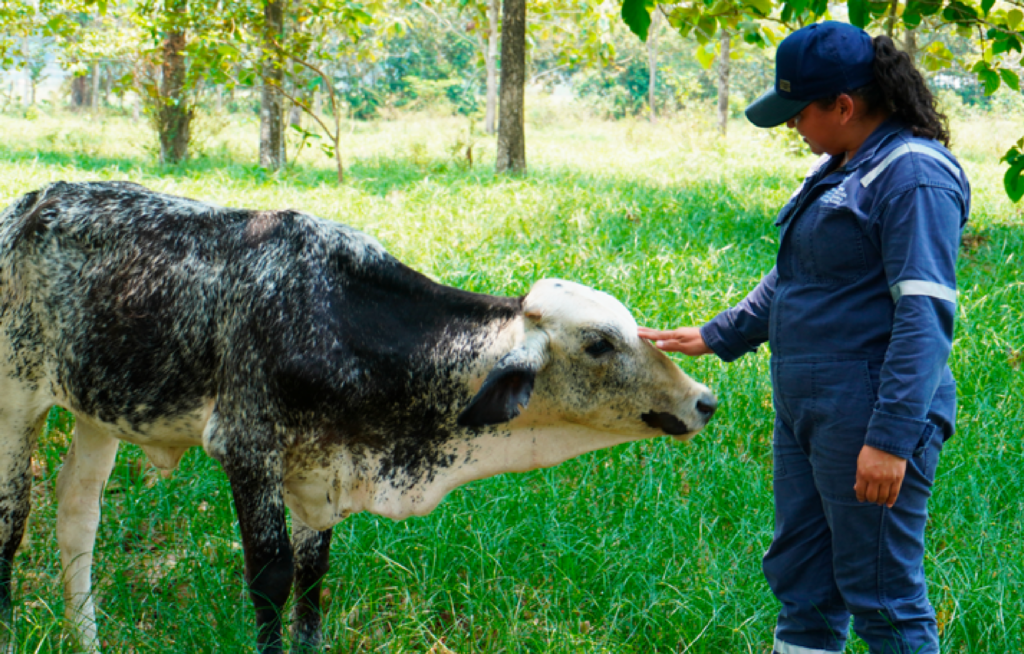
Education from the Women’s Perspective – Juan N. Corpas University Foundation
With 54 years of experience in health and social transformation, the institution designs and implements educational pathways for urban and rural mothers that integrate caregiving, community leadership, and entrepreneurship. It supports educational processes through an approach focused on equity, territorial relevance, and articulation with Research, Development, and Innovation (R&D&I), enhancing quality of life and family wellbeing. The institution contributes teaching teams, co-creation methodologies, and evaluation strategies to ensure replicability in other territories.
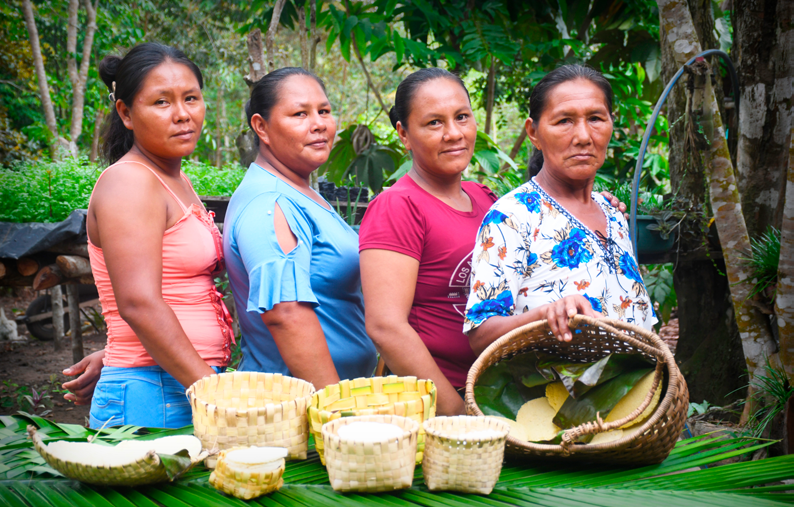
Recognized over the past five years as the most beloved institution among Colombians, and with nationwide coverage and strong technical capacity, SENA delivers specialized training to communities across the country. Through CampeSENA and the EMI Women’s School at the Agroecological and Entrepreneurial Center in Fusagasugá, the institution provides certified learning pathways, productive support, and digital gap reduction strategies. It promotes economic inclusion and rural women’s leadership by articulating instructors, infrastructure, and technology transfer processes to scale the model.
Equity and Educational Retention:
Equity and Educational Retention:
Relevant education for rural mothers creates opportunities and reduces migration driven by lack of employment, social risk, and limited access to education.
Social Fabric and Sustainability:
Social Fabric and Sustainability:
Training women leaders strengthens the transmission of ancestral knowledge, agricultural production, and community cohesion.
Scalability:
Scalability:
Co-created pathways, grounded in Research, Development, and Innovation (R&D&I) and supported by strong alliances, make it possible to replicate the model in new territories.
Collaboration:
Collaboration:
Projects designed for mothers and fathers who study, as well as for rural women and their children, explore opportunities for joint work and invite others to become part of this meaningful transformation.
Transformation:
Transformation:
Together, we can transform realities, generate sustainable growth, and strengthen the social fabric.