The Women’s Perspective is understood as a way of interpreting and engaging with education through the lens of life itself, recognizing that every educational process is woven from stories, decisions, and trajectories that unfold in real-world contexts.
It is a relational, caring, and situated perspective that views education through everyone’s daily experience, where family, the educational community, society, the local area, and life plans intertwine and give meaning to learning, staying, and moving forward. In this sense, these elements cease to be merely complementary and become an essential part of educational understanding.
From this perspective, education is recognized as a practice that sustains, accompanies, and shapes life. Its value goes beyond academic results; it is the very expression of how it influences decisions, opportunities, and quality of life throughout educational trajectories, which must be embraced and supported at every stage, from early childhood through higher education.
The Women’s Perspective is experienced as a way of understanding and accompanying educational processes with human depth, where care, relationships, and meaning guide each journey, and where individuals, communities, and institutions recognize themselves as allies and co-responsible for building conditions through tangible actions that make possible an education with greater meaning and quality of life.
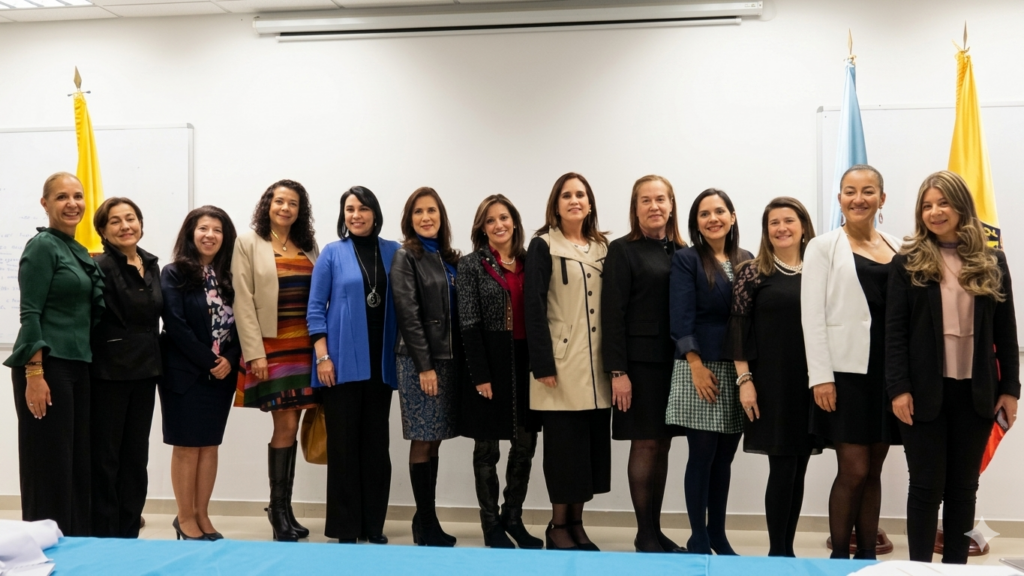
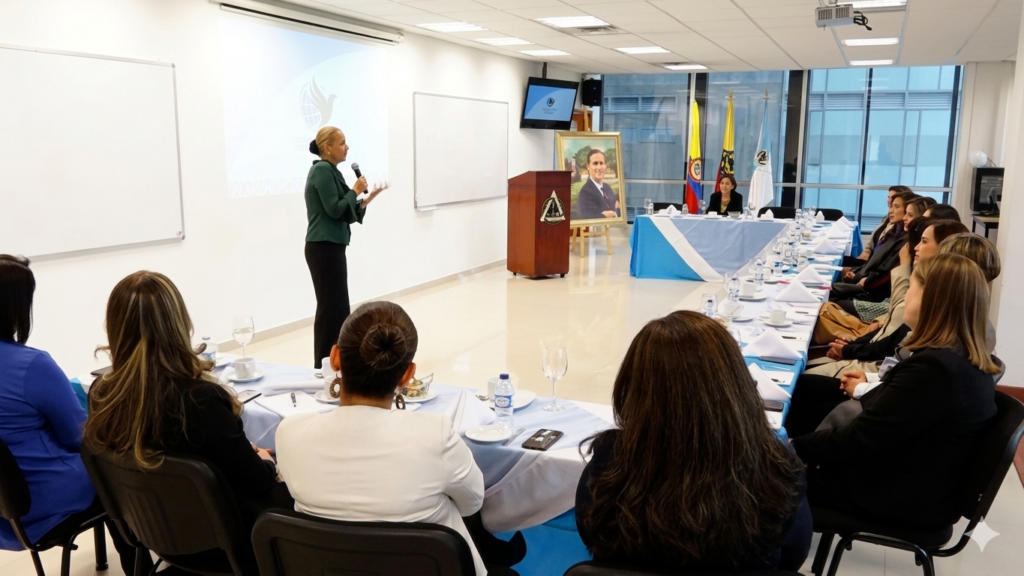
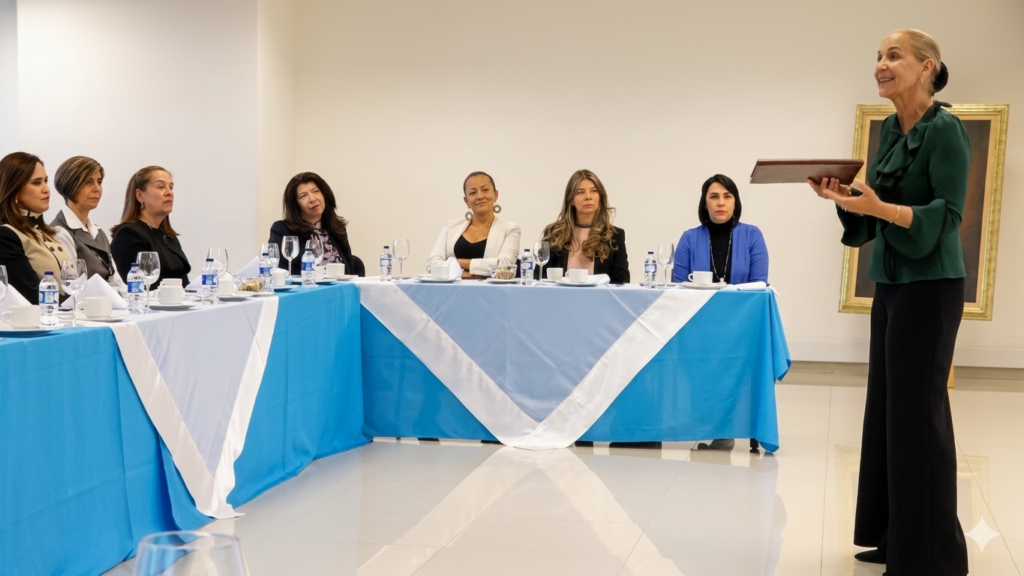
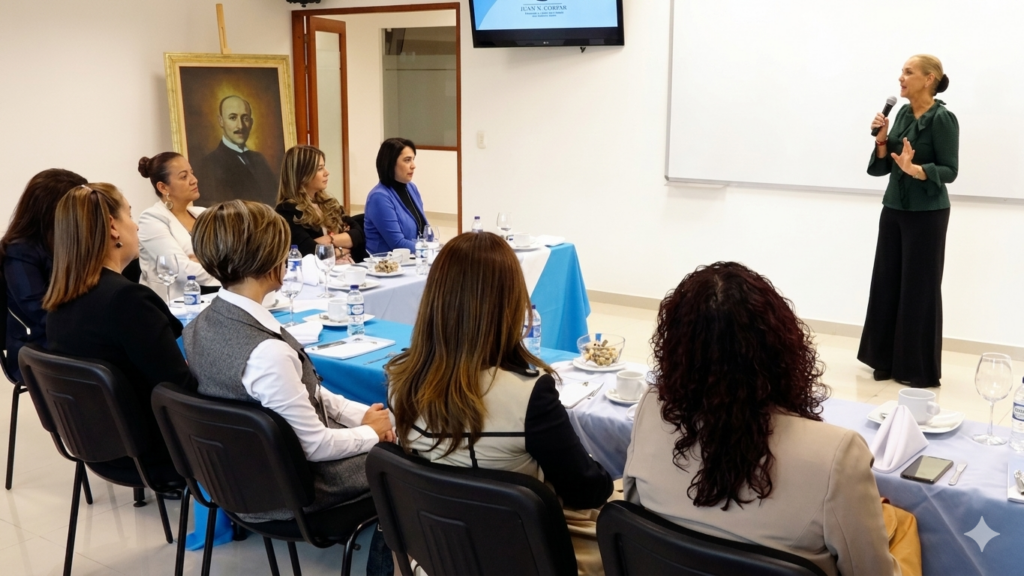
In Higher Education Institutions (HEIs) led by female presidents, there is a perceived approach to guiding academic life with a closer connection to the realities of their students and educational community. Decisions that reflect a deep understanding of the educational journeys they support, which translates into educational environments more attuned to the diverse ways of experiencing education. Thus, they transform their faculties into spaces that welcome, support, and open paths, where each student finds more favorable conditions to advance and give meaning to their life project.