
The PAMP Strategy was created to support students and apprentices who are pursuing their education while experiencing pregnancy, motherhood, or fatherhood of children under six years old.
This reality demands sensitive, organized, and effective institutional responses, as remaining in the education system requires conditions that acknowledge caregiving responsibilities, facilitate academic continuity, and strengthen support networks.
Based on salutogenic theory, the PAMP Strategy identifies and enhances personal, family, community, and institutional resources that promote well-being and the completion of studies.
The PAMP Strategy offers tools applicable in higher education institutions, as well as in institutions of education for work and human development, with the aim of creating more inclusive environments that support successful graduation.
Dropout rates in higher education are a structural challenge that reduces opportunities, deepens social inequalities, and can become a poverty trap. Education at a Glance (2025) reports that 43% of undergraduate students complete their studies on time, and that this figure rises to 70% within three years, indicating that approximately 30% do not finish their education. The same report shows that parental education level influences the trajectory of the next generation: 26% of those whose parents have no secondary education access and complete higher education, compared to 70% of those with at least one parent with higher education.
In Colombia, researchers working on the PAMP Strategy identified that characterizing variables such as pregnancy, maternity, paternity, and family education level from the outset is key to understanding the barriers associated with caregiving, academic schedules, infrastructure, institutional support, and socioeconomic conditions.
Education at a Glance (2025)
Organisation for Economic Co-operation and Development. (2025). Panorama de la educación 2025: Indicadores de la OCDE (Education at a Glance 2025). OECD Publishing. https://doi.org/10.1787/1c0d9c79-en
Buitrago Gutiérrez, I., De La Cruz H., S., Moreno C., F., Quiroz H., G. L., & Correa, J. C. (2025). Recursos asociados a la permanencia académica de estudiantes-maternas durante el COVID-19 en una institución de formación para el trabajo en Colombia. Revista Educación Superior Y Sociedad (ESS), 37(1), 43-59. https://doi.org/10.54674/ess.v37i1.1009
The PAMP Strategy emerged in 2023 from the Master’s thesis in Public Health: “Recommendations for the Retention of Maternal Students in a Vocational Training Center in the Context of COVID-19: A Salutogenic Perspective,” which received an award.
Subsequently, within the framework of the Corpas with a Woman’s Perspective project, under the leadership of Dr. Ana María Piñeros Ricardo, the design, planning, and implementation of this strategy began.
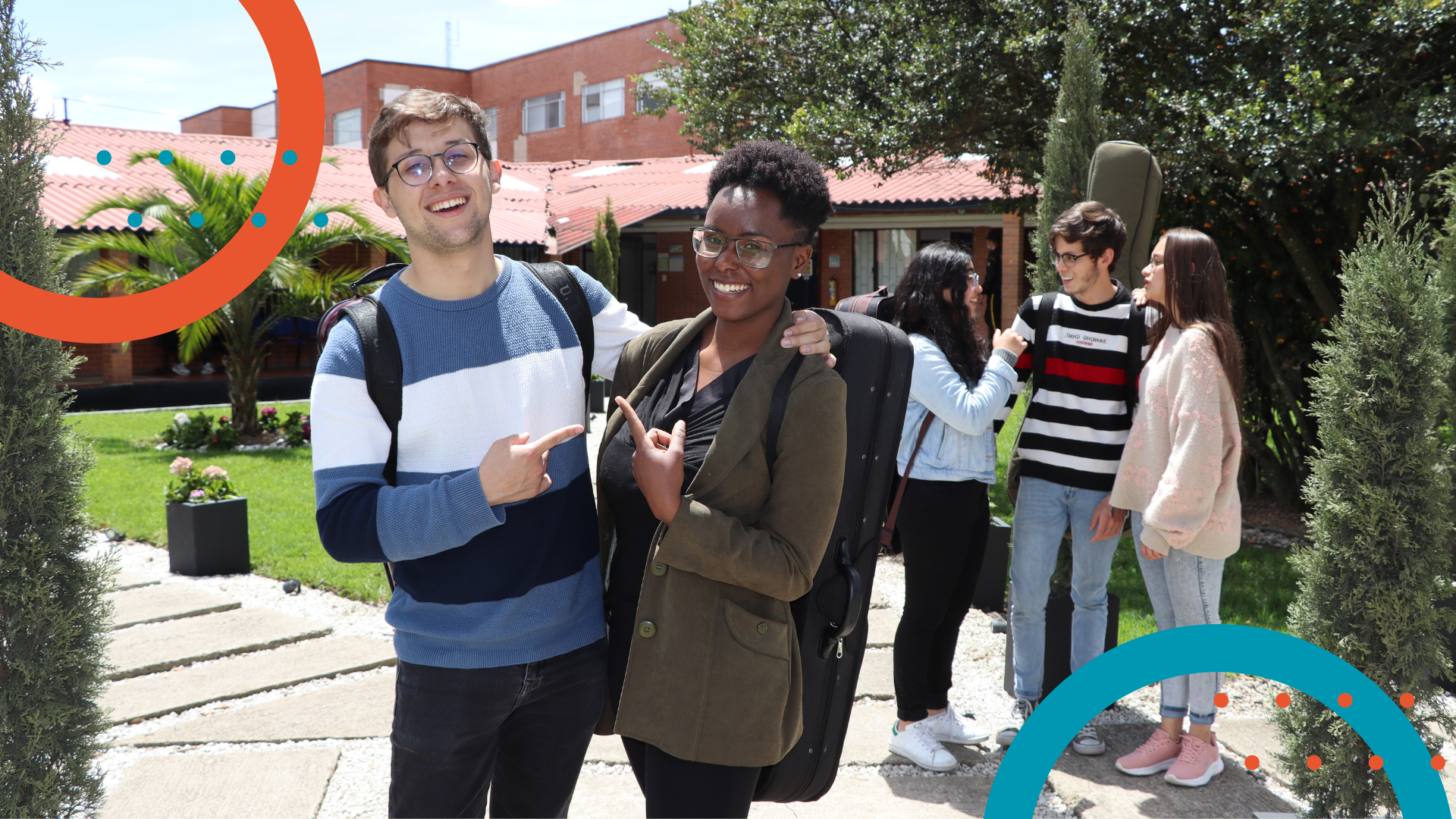
Its initial phase was developed at the SENA Agribusiness Development Center, at the Chía campus in Cundinamarca. Currently, the pilot program is progressing with the SENA Agroecological and Business Center and the University of Cundinamarca in Fusagasugá, Cundinamarca, and the Juan N. Corpas University Foundation in Bogotá.
The PAMP Strategy has been presented in academic and legislative settings, including the Forum “Educated Mothers and Fathers Caring for Their Children,” held at the Congress of the Republic and at the IV CINVEST International Research Congress, and at the III and IV editions of the CIPRES Congress on Science, Innovation, and Productivity.
To design and implement a strategy for maternal and paternal academic retention, based on salutogenic theory, that promotes the completion of studies and contributes to the well-being of pregnant students and apprentices, as well as mothers and fathers of children under six years of age.

A support pathway based on the salutogenic approach to promote the academic retention of pregnant women, mothers, and fathers who are students.
Practical tools for higher education and vocational training institutions to identify barriers, activate support systems, and strengthen their institutional capacities.
More co-responsible, safe, and inclusive learning environments that recognize caregiving responsibilities as part of the student experience.
Information and evidence to guide institutional decisions, well-being initiatives, and public policies that promote academic retention.
Contributions to the implementation of Law 2394 of 2024, related to guaranteeing academic retention for pregnant women, mothers, fathers, and caregivers of children under six years of age.
A replicable intervention model for public and private institutions and training centers, with the potential for adaptation in Colombia and partner countries.
We invite university presidents, academic teams, student welfare departments, training centers, public institutions, and policymakers to join this project.
Supporting the academic retention of mothers, fathers, and pregnant individuals is an institutional decision with impacts on equity, family well-being, and the development of our communities.
If you would like to learn more about the PAMP Strategy or the salutogenic theory, please contact us.
The PAMP Strategy was created to support students and apprentices who are pursuing their education while experiencing pregnancy, motherhood, or fatherhood of children under six years old.
This reality demands sensitive, organized, and effective institutional responses, as remaining in the education system requires conditions that acknowledge caregiving responsibilities, facilitate academic continuity, and strengthen support networks.
Based on salutogenic theory, the PAMP Strategy identifies and enhances personal, family, community, and institutional resources that promote well-being and the completion of studies.
The PAMP Strategy offers tools applicable in higher education institutions, as well as in institutions of education for work and human development, with the aim of creating more inclusive environments that support successful graduation.
Dropout rates in higher education are a structural challenge that reduces opportunities, deepens social inequalities, and can become a poverty trap. Education at a Glance (2025) reports that 43% of undergraduate students complete their studies on time, and that this figure rises to 70% within three years, indicating that approximately 30% do not finish their education. The same report shows that parental education level influences the trajectory of the next generation: 26% of those whose parents have no secondary education access and complete higher education, compared to 70% of those with at least one parent with higher education.
In Colombia, researchers working on the PAMP Strategy identified that characterizing variables such as pregnancy, maternity, paternity, and family education level from the outset is key to understanding the barriers associated with caregiving, academic schedules, infrastructure, institutional support, and socioeconomic conditions.
Education at a Glance (2025)
Organisation for Economic Co-operation and Development. (2025). Panorama de la educación 2025: Indicadores de la OCDE (Education at a Glance 2025). OECD Publishing. https://doi.org/10.1787/1c0d9c79-en
Buitrago Gutiérrez, I., De La Cruz H., S., Moreno C., F., Quiroz H., G. L., & Correa, J. C. (2025). Recursos asociados a la permanencia académica de estudiantes-maternas durante el COVID-19 en una institución de formación para el trabajo en Colombia. Revista Educación Superior Y Sociedad (ESS), 37(1), 43-59. https://doi.org/10.54674/ess.v37i1.1009
The PAMP Strategy emerged in 2023 from the Master’s thesis in Public Health: “Recommendations for the Retention of Maternal Students in a Vocational Training Center in the Context of COVID-19: A Salutogenic Perspective,” which received an award.
Subsequently, within the framework of the Corpas with a Woman’s Perspective project, under the leadership of Dr. Ana María Piñeros Ricardo, the design, planning, and implementation of this strategy began.
Its initial phase was developed at the SENA Agribusiness Development Center, at the Chía campus in Cundinamarca. Currently, the pilot program is progressing with the SENA Agroecological and Business Center and the University of Cundinamarca in Fusagasugá, Cundinamarca, and the Juan N. Corpas University Foundation in Bogotá.
The PAMP Strategy has been presented in academic and legislative settings, including the Forum “Educated Mothers and Fathers Caring for Their Children,” held at the Congress of the Republic and at the IV CINVEST International Research Congress, and at the III and IV editions of the CIPRES Congress on Science, Innovation, and Productivity.
To design and implement a strategy for maternal and paternal academic retention, based on salutogenic theory, that promotes the completion of studies and contributes to the well-being of pregnant students and apprentices, as well as mothers and fathers of children under six years of age.
A support pathway based on the salutogenic approach to promote the academic retention of pregnant women, mothers, and fathers who are students.
Practical tools for higher education and vocational training institutions to identify barriers, activate support systems, and strengthen their institutional capacities.
More co-responsible, safe, and inclusive learning environments that recognize caregiving responsibilities as part of the student experience.
Information and evidence to guide institutional decisions, well-being initiatives, and public policies that promote academic retention.
Contributions to the implementation of Law 2394 of 2024, related to guaranteeing academic retention for pregnant women, mothers, fathers, and caregivers of children under six years of age.
A replicable intervention model for public and private institutions and training centers, with the potential for adaptation in Colombia and partner countries.
We invite university presidents, academic teams, student welfare departments, training centers, public institutions, and policymakers to join this project.
Supporting the academic retention of mothers, fathers, and pregnant individuals is an institutional decision with impacts on equity, family well-being, and the development of our communities.
If you would like to learn more about the PAMP Strategy or the salutogenic theory, please contact us.